TheWildeKacino is an independent wildlife journal about the animals that share our planet, the places they live and the people working to keep those places intact. Every article is written to be clear, accurate and useful, whether you are planning your first safari or simply curious about the creatures in your local woods.
Why wildlife matters
Wild animals are far more than a pleasant sight on a nature walk. They pollinate crops, disperse seeds, control pests and keep rivers, grasslands and forests working as they should. A healthy population of predators, for example, stops grazing animals from stripping vegetation, which in turn protects soil and water. When one species disappears, the effects often ripple through an entire ecosystem in ways scientists are still working to understand.
The pressure on wildlife today is real. Habitat loss, illegal trade, pollution and a changing climate have pushed many species into decline. The IUCN Red List, the most widely used global assessment of extinction risk, now covers more than 160,000 species, and over 45,000 of them are classed as threatened. Behind those numbers are individual animals, and the rangers, researchers and local communities working to protect them.
Giants of the savanna
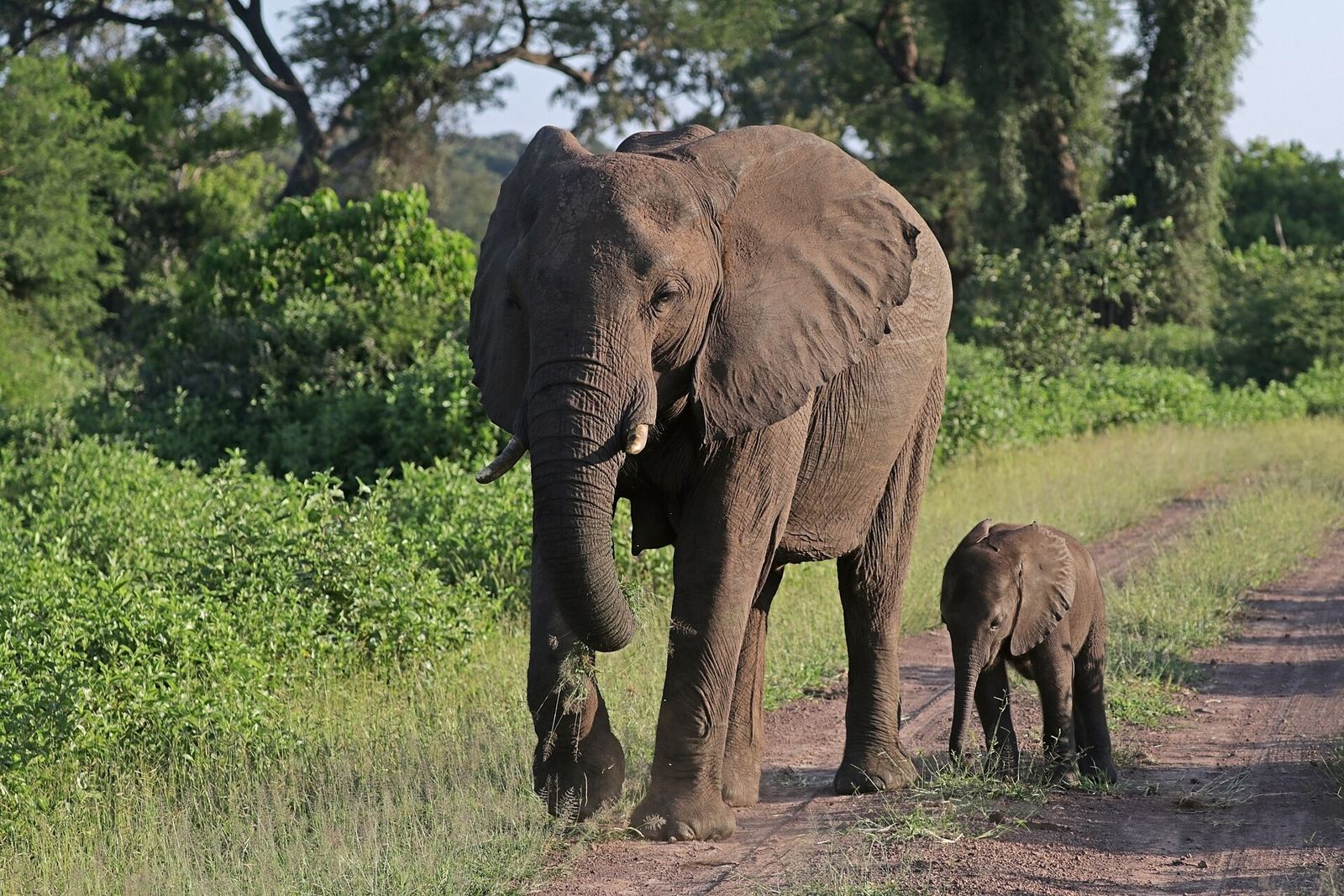
African bush elephants are the largest land animals alive today. They live in close family groups led by an older female known as the matriarch, whose memory of water sources and safe routes can decide whether the herd survives a drought. Calves are born after a pregnancy of around 22 months, the longest of any land mammal, and are raised with help from aunts, sisters and older siblings.
Elephants are often described as ecosystem engineers. By pushing over trees, digging for water in dry riverbeds and carrying seeds over long distances in their dung, they shape the landscape for countless other species, from birds and insects to antelope that rely on the open grassland they help maintain.
Hunters on the edge
Large predators tell us a great deal about the health of a habitat. The Amur tiger of the Russian Far East and northeastern China is one of the largest cats on Earth, yet its wild population numbers only in the hundreds. Strong anti-poaching work and protected forests have helped it recover from just a few dozen animals in the 1940s.
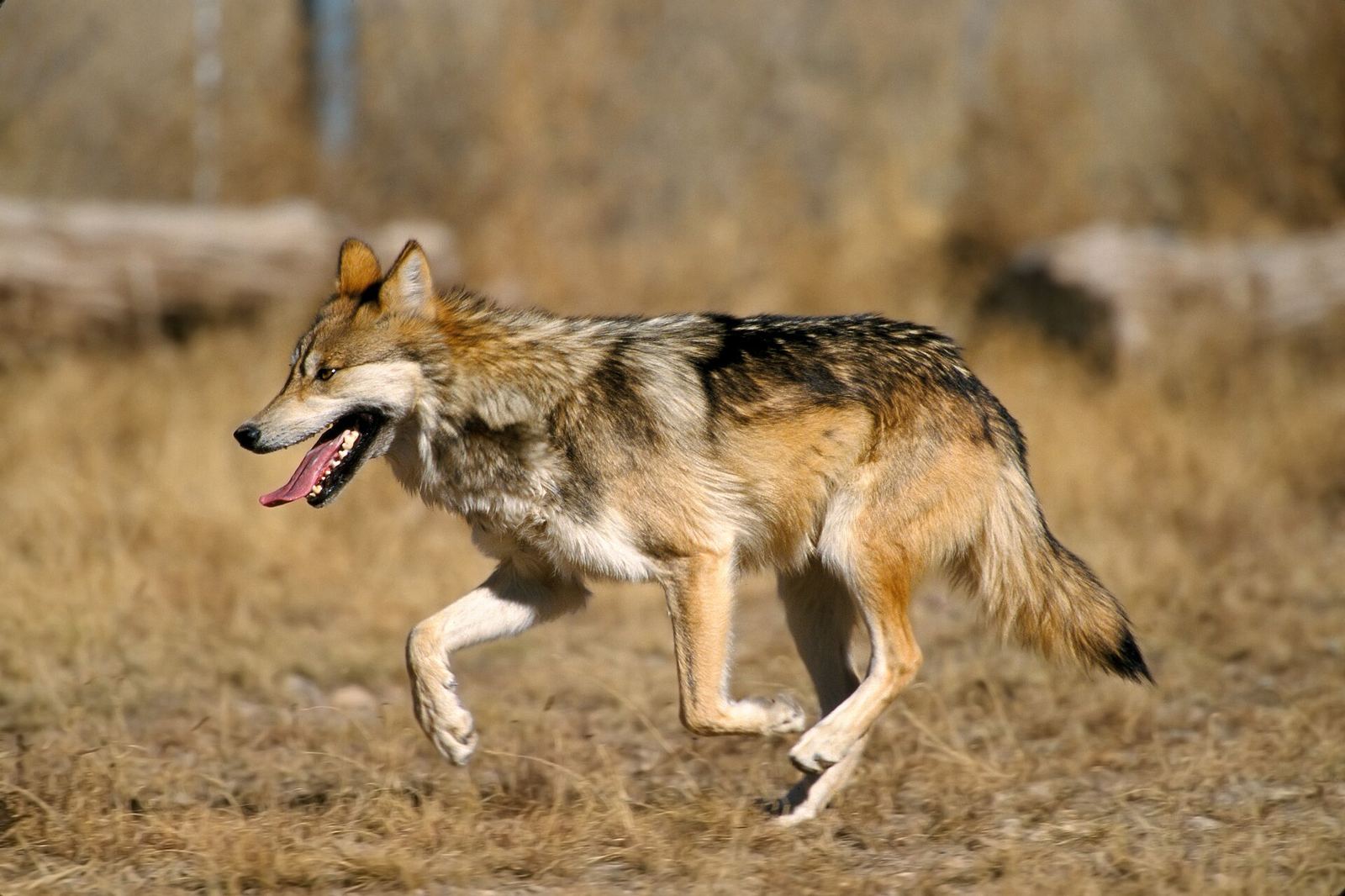
In North America, the Mexican wolf tells a similar story of near loss and slow return. After the subspecies disappeared from the wild, wolves bred in captivity were released into Arizona and New Mexico from 1998 onwards, and the wild population has grown steadily since then.
Both stories show that recovery is possible when habitat is protected, poaching is controlled and local people share in the benefits of conservation. They also show how fragile that progress can be, since a single season of disease or illegal hunting can undo years of careful work.
Life in the water and the air
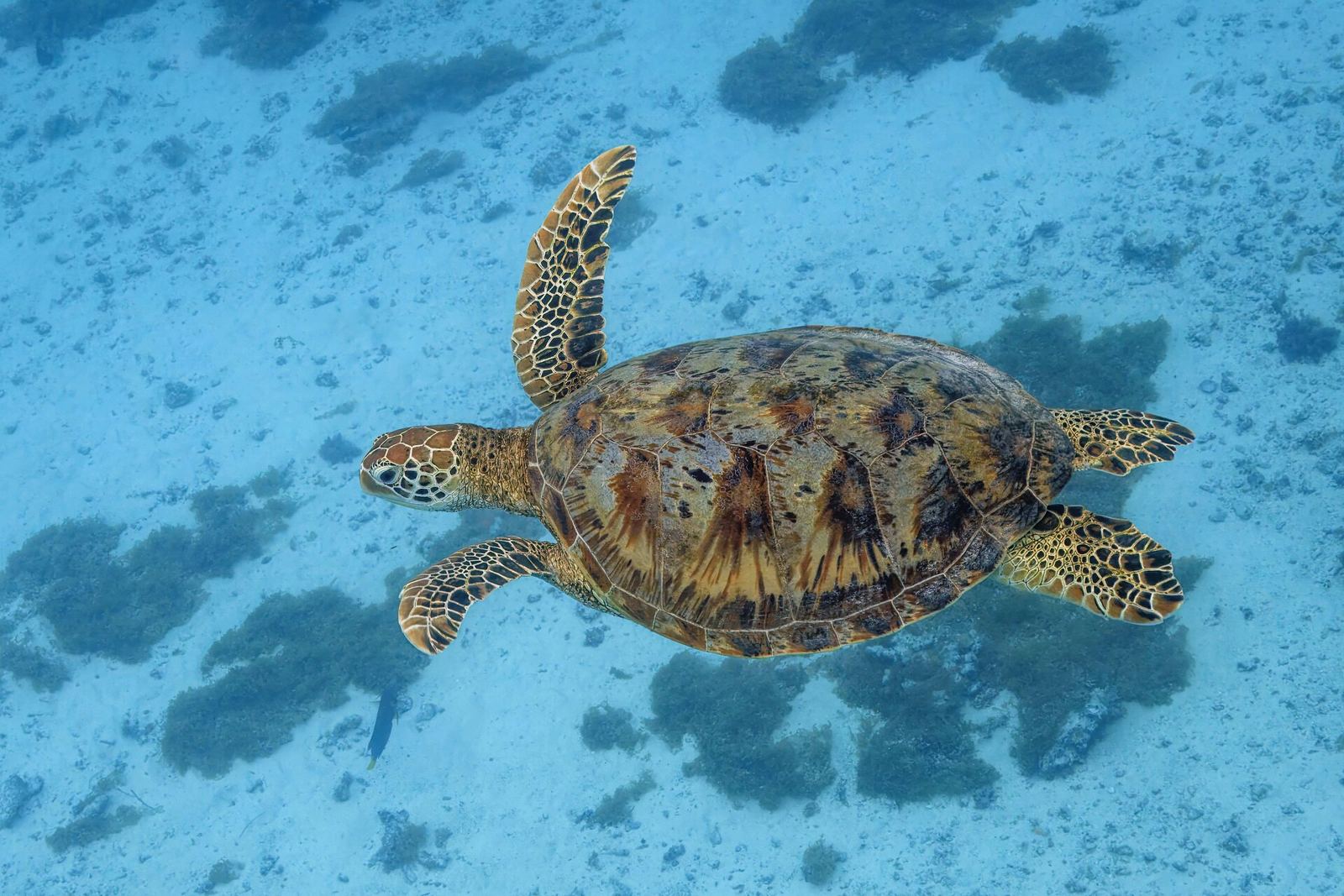
Green sea turtles spend almost their entire lives at sea, yet females return to nest on sandy beaches, often close to where they hatched decades earlier. As adults they feed mainly on seagrass and algae, and their grazing keeps seagrass meadows healthy, which supports fish, crabs and many other marine animals.
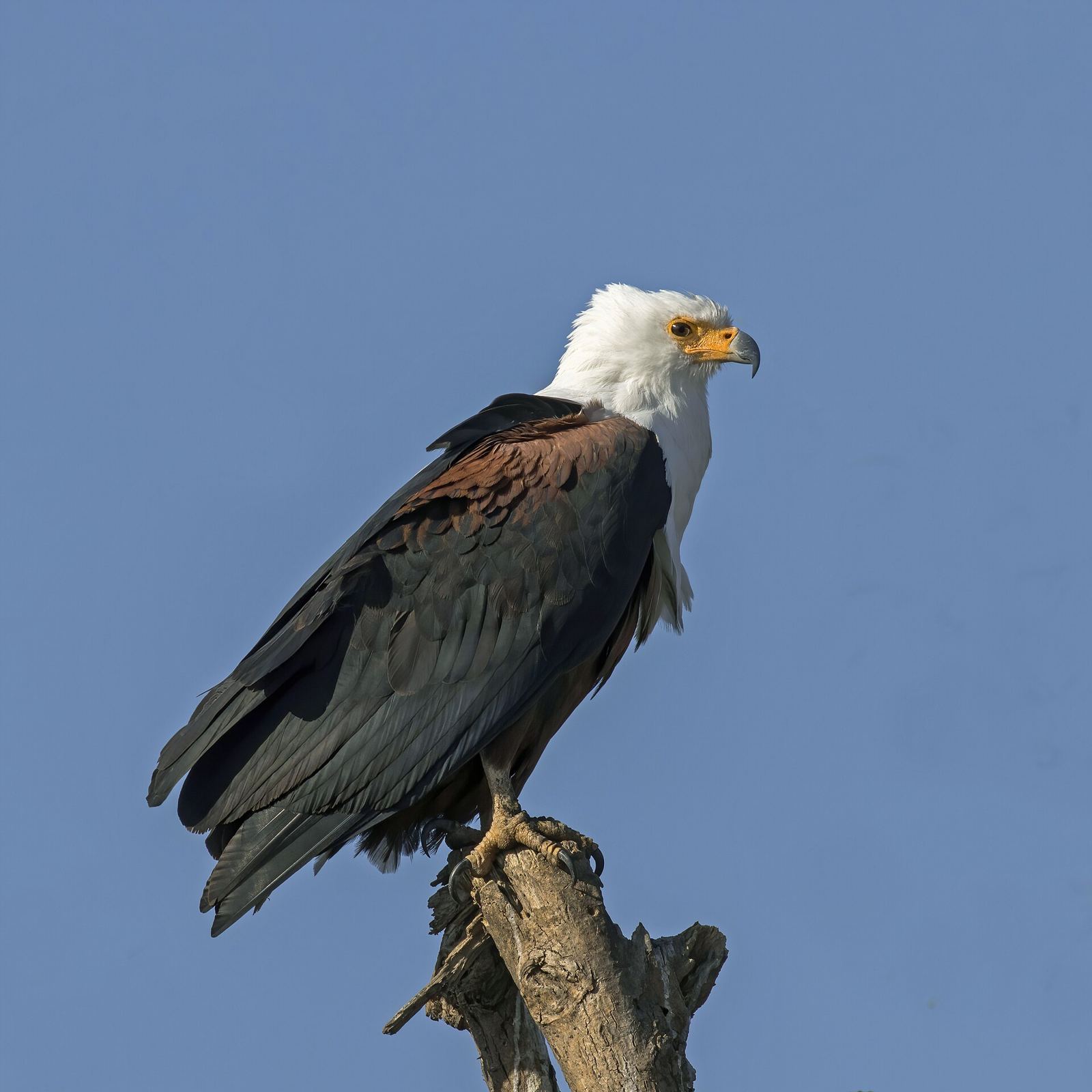
Above African lakes and rivers, the African fish eagle is easy to recognize by its bright white head and ringing call. It is the national bird of several countries, including Zambia and Zimbabwe, and a thriving pair is a good sign that local fish stocks and water quality are in reasonable shape.
Enjoying wildlife responsibly
Seeing animals in their natural setting is a privilege, and a few simple habits keep encounters safe for both people and wildlife. Keep a respectful distance and use binoculars or a zoom lens instead of moving closer. Never feed wild animals, since human food can make them ill and teach them to approach people. Stay on marked trails, take your litter home and follow the guidance of rangers and local guides.
When choosing a tour or sanctuary, look for operators that support conservation, keep group sizes small and do not allow visitors to handle wild animals. Our latest journal article covers these points in more depth.
What you will find here
TheWildeKacino publishes species profiles, habitat guides, wildlife watching tips and conservation updates. We draw on published research and the work of established conservation organizations, and we revisit articles when new information becomes available. Our aim is to make wildlife knowledge easy to access without oversimplifying it.
If you have a question, a correction or a story idea, we would be glad to hear from you through our contact page.